

Akshaya Tritiya has always been associated with prosperity. Traditionally, it meant buying gold—something tangible, safe, and symbolic.
But in 2026, Akshaya Tritiya is arriving in a very different market environment.
This year, it’s not just about what you buy.
It’s about how you position your money in a fast-moving, globally influenced market.
Because while many are preparing to buy gold, markets have already reacted to something much bigger—the reopening of the Strait of Hormuz.
How the Stock Market Performed This Week
Before you decide where to invest this Akshaya Tritiya, here’s what just happened:
- Nifty 50 surged ~ 1.26%
- Bank Nifty rallied ~ 1.17%
- Broader markets saw strong participation
- Rally driven by sentiment + global triggers
But here’s the key insight:
This was not a comfort rally. It was a fast, reaction-driven move.
Why This Akshaya Tritiya Feels Different
Unlike previous years, this Akshaya Tritiya comes at a time when:
- Markets are reacting instantly to global news
- Oil prices are driving sector rotation
- Institutional money is controlling direction
So the real question is:
Where should your money go right now?
The Global Trigger: Hormuz and Its Market Impact
The Strait of Hormuz carries nearly 20% of global oil supply.
When Hormuz Stabilizes (Current Scenario)
- Oil prices cool
- Inflation fears ease
- Risk appetite returns
- Markets rally
And this is where stock-specific opportunities emerge.
Stocks That Benefit from Hormuz Reopening
When oil stabilizes and global uncertainty reduces, certain Indian companies tend to benefit directly or indirectly:
1. Infrastructure & Capital Goods
- Larsen & Toubro (L&T) → Benefits from improved capex sentiment and execution visibility
- Order inflows improve when macro uncertainty reduces
2. Oil Marketing Companies (OMCs)
- Indian Oil Corporation (IOC)
- Bharat Petroleum (BPCL)
These companies benefit because:
- Lower crude reduces input cost volatility
- Marketing margins improve
- Inventory losses reduce
3. Consumption & Economic Cyclicals
- Lower fuel prices improve disposable income
- Demand outlook improves across sectors
4. Banking & Financials
- Better macro stability improves credit growth expectations
- Lower inflation supports lending environment
Sector Rotation: The Real Market Story
Current Winners (Oil Cooling Phase)
- Banking & Financials
- Auto
- Power & Infrastructure
- Consumption
Sectors That Slow Down
- Upstream Oil & Gas
- Defensive sectors
When Oil Rises (Important for Future Cycles)
Losers:
- Auto
- Aviation
- Chemicals
Winners:
- Oil producers
- Energy companies
Institutional Flows: The Silent Strength
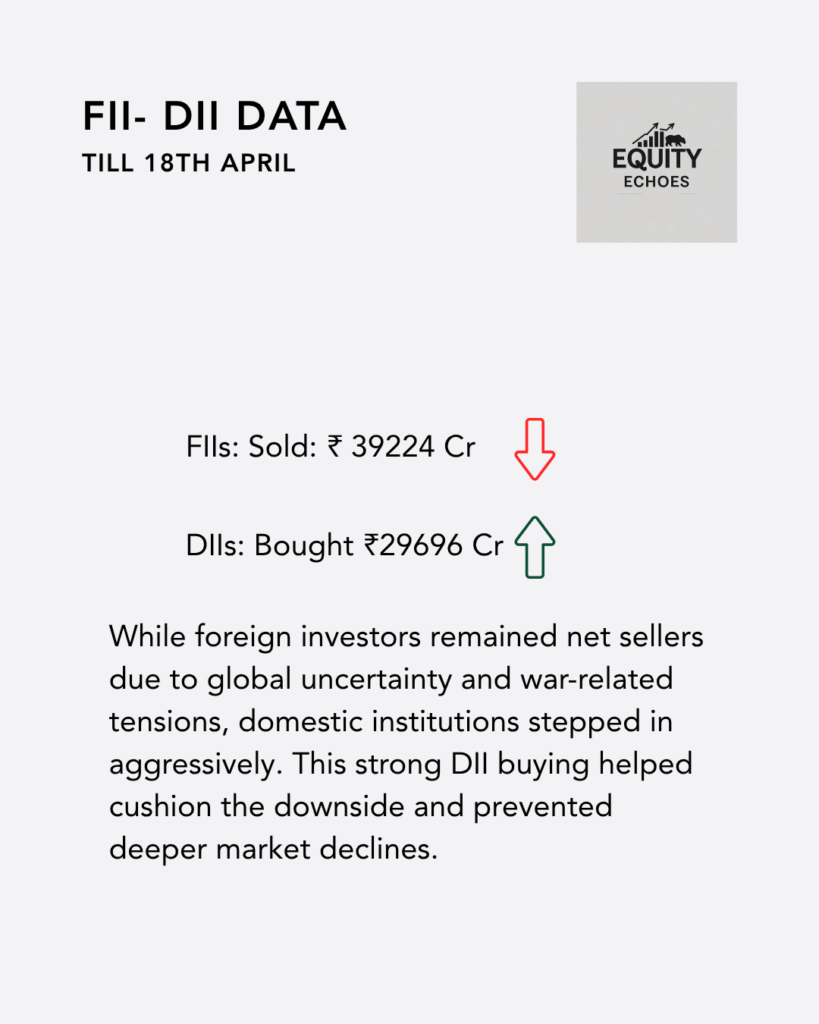
- FIIs sold ₹39,224 crore
- DIIs bought ₹29,696 crore
Despite selling pressure, domestic institutions supported markets.
This is a structural shift—and a key reason why dips are getting bought quickly.
Gold on Akshaya Tritiya: Tradition vs Strategy
Gold remains central to Akshaya Tritiya. But the approach is evolving.
Traditional
- Physical gold
- Emotional decision
Modern
- Gold ETFs
- Strategic allocation
Why Gold ETFs Make Sense This Akshaya Tritiya
- No making charges
- No storage risk
- High liquidity
- Efficient price tracking
- Portfolio hedge
This Akshaya Tritiya, the shift is clear:
from buying gold… to allocating to gold.
Final Takeaway
This Akshaya Tritiya is not just about tradition.
It’s about:
- Understanding global triggers
- Identifying sector rotation
- Allocating capital intelligently
Because in today’s market—
macro drives momentum, but stock selection drives returns.
Frequently Asked Questions (FAQ)
1. Is Akshaya Tritiya a good time to invest in stocks?
Yes, but decisions should be based on market conditions and sector trends, not just tradition.
2. Which stocks benefit from falling oil prices?
Companies like Larsen & Toubro, Indian Oil Corporation, and BPCL benefit from improved macro conditions and stable crude prices.
3. Should I buy physical gold or Gold ETFs?
Gold ETFs are more efficient due to liquidity, no making charges, and better price tracking.
4. Why did markets rally this week?
Markets reacted to easing geopolitical tensions after the Strait of Hormuz stabilized, leading to lower oil prices.
5. Which sectors benefit when oil prices fall?
Banking, auto, consumption, and infrastructure sectors typically benefit.
Disclaimer:
The information provided in this article is for educational and informational purposes only and should not be considered as investment advice. Market investments are subject to risks, and past performance is not indicative of future results. Readers are advised to conduct their own research or consult a qualified financial advisor before making any investment decisions.


Leave a Reply